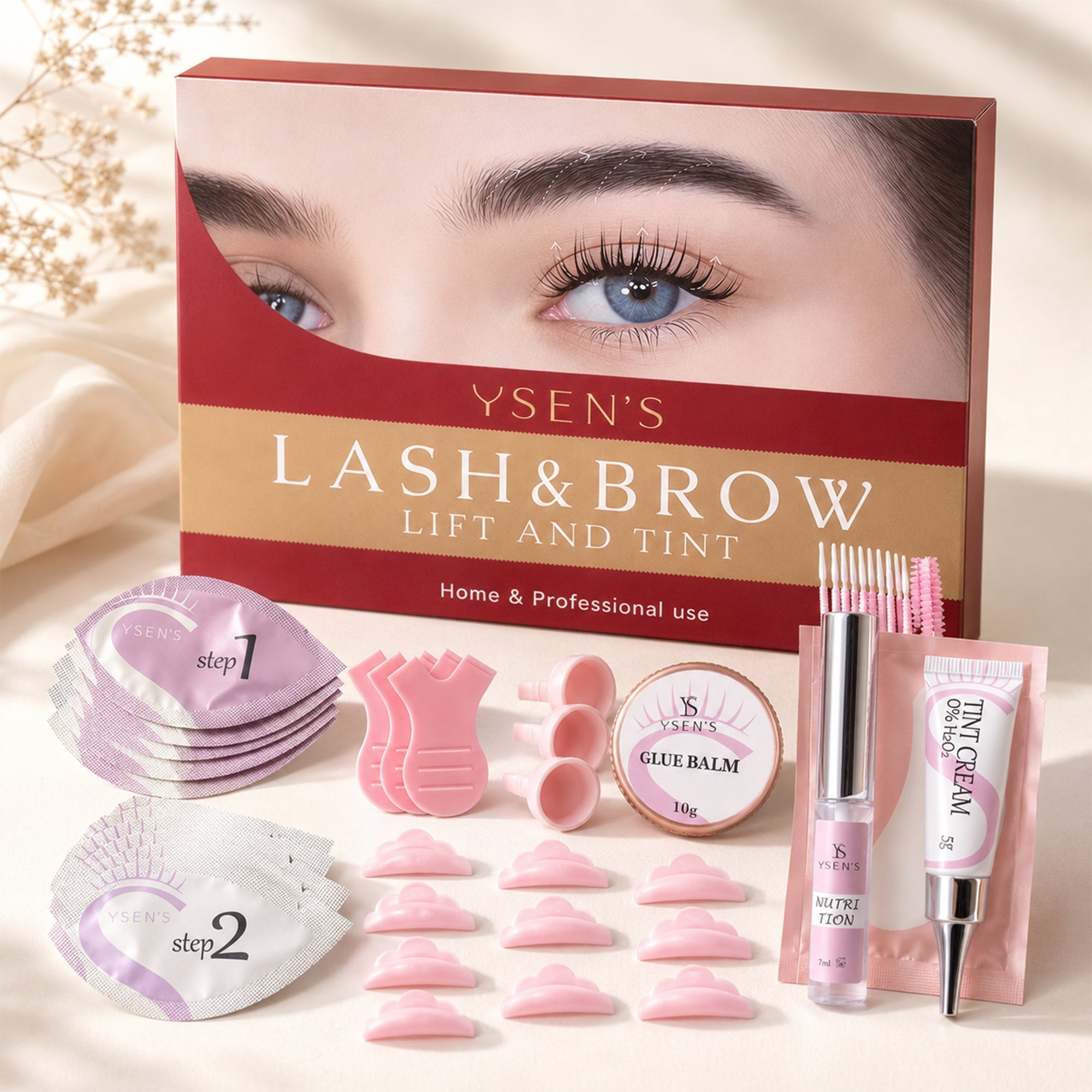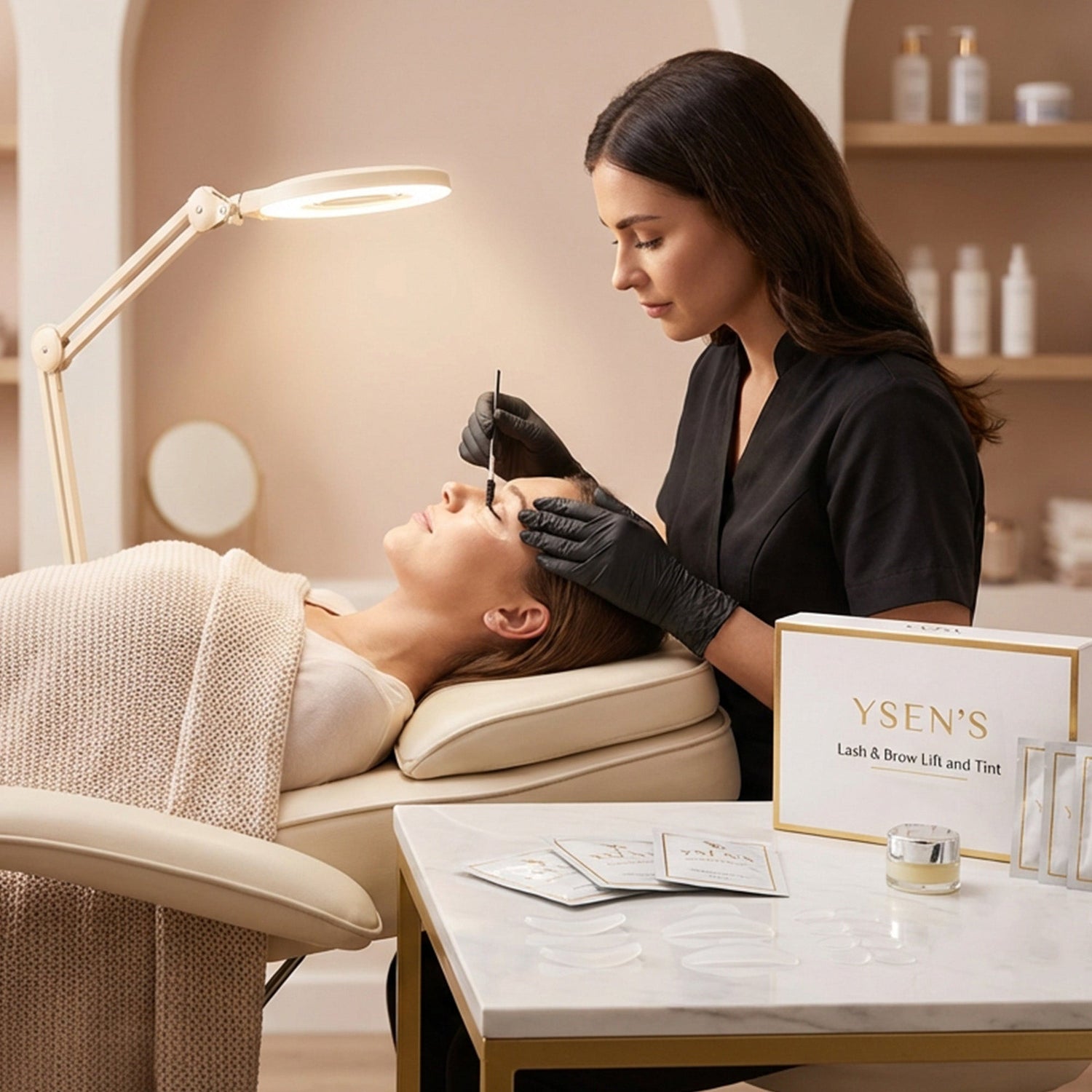
Korean Lash Lift in 2026: Glue-Free Systems, Balm Mapping, and Modern Lash Lamination Explained

Korean Lash Lift in 2026: Glue-Free Systems, Balm Mapping, and Modern Lash Lamination Explained

Over the past two years, Korean lash lift has exploded across Instagram, TikTok, and professional lash forums. Unlike traditional perm-style lash lifts that rely on strong adhesives and full-length chemical processing, Korean systems focus on gentle restructuring, balm-based placement, directional mapping, and healthier grow-out.

In 2026, the term no longer refers to a single brand—it represents a modern lash lamination philosophy rooted in K-beauty aesthetics: clean separation, airy texture, and natural upward movement from the root.

This guide breaks down exactly what Korean lash lifts are, how they work, how they differ from classic systems, and why salons worldwide are switching to this approach.


What Is a Korean Lash Lift?

A Korean lash lift is a modern lash lamination technique that uses:

• Balm-based or low-glue lash placement
• Flat silicone shields instead of curved rods
• Directional lash mapping
• Selective root softening
• Conditioning-focused formulas
• Gentle reducing agents such as cysteamine

The result is a lift that appears soft, airy, and effortless, rather than sharply curled or stiff.

Clients often describe it as:

“My lashes but better.”


Why Korean Lash Lifts Became Popular

The Korean beauty industry has long emphasized skin barrier protection, conditioning treatments, and subtle enhancement rather than dramatic transformation.

Those same values transferred into lash services.

Korean systems gained traction because they promised:

• Less chemical stress
• Cleaner lash alignment
• Reduced glue exposure
• Smoother grow-out
• Custom lift angles
• Better comfort for sensitive clients

Social platforms accelerated the trend as artists shared close-up videos of balm placement, powder control, and meticulous mapping techniques.


Key Characteristics of Korean Lash Lift Systems

1. Glue-Free or Balm-Based Placement

Instead of traditional strong adhesives, many Korean systems use:

• Lash lifting balms
• Cream-texture bonding agents
• Powder-activated viscosity control

These products allow lashes to be repositioned easily without snapping back, reducing mechanical stress at the root.


2. Flat Shield Technique

Korean lifts typically rely on flat silicone shields, not rounded rods.

Flat shields:

• Lift lashes straight upward from the follicle
• Create a longer visual lash line
• Avoid over-curling
• Improve symmetry
• Help stubborn downward lashes


3. Directional Lash Mapping

Rather than combing every lash straight upward, Korean artists map:

• Inner corner lashes diagonally outward
• Center lashes vertically
• Outer lashes slightly toward the temple

This creates:

• Open-eye effect
• Clean separation
• Natural flow
• Balanced symmetry

Mapping is now considered one of the defining elements of Korean-style results.


4. Selective Root Softening

Traditional lifts often apply perm solution across the full lash length.

Korean techniques usually:

• Concentrate softener near the root
• Avoid the fragile tips
• Control curl formation precisely
• Prevent brittle ends

This protects lash integrity and improves grow-out.


5. Conditioning-First Philosophy

Many Korean systems incorporate:

• Keratin complexes
• Amino acids
• Peptides
• Hyaluronic acid
• Collagen
• Lipid restorers

These steps aim to strengthen the lash cortex after restructuring, keeping lashes glossy and flexible.


Step-by-Step: How a Korean Lash Lift Is Performed

A professional Korean lash lamination usually follows this flow:

1. Preparation

Lashes are cleansed, degreased, and isolated. Eye pads are applied.


2. Shield Selection & Placement

Flat silicone shields are sized carefully for lash length and eye shape.


3. Balm Application & Lash Mapping

Lashes are secured using balm or low-tack adhesive and mapped directionally for symmetry and airflow.


4. Softening Step

A gentle reducing agent—often cysteamine-based—is applied mainly to the root zone.


5. Setting Step

Neutralizer locks the new shape in place.


6. Conditioning / Tint (Optional)

Nourishing treatments and tinting complete the service.


Korean Lash Lift vs Traditional Lash Lift

Korean Lash Lift

• Gentle formulas
• Balm or low-glue systems
• Flat shields
• Root-focused processing
• Natural aesthetic
• Smooth grow-out
• Mapping-driven results


Traditional Lash Lift

• Stronger perm chemicals
• Adhesive-heavy placement
• Curved rods
• Full-length processing
• Dramatic curl
• Faster service time


Quick Facts for Clients

Duration: 60–90 minutes
Longevity: 6–8 weeks (sometimes longer with proper care)
Aftercare: Avoid water and steam for 24 hours
Best For: Straight or downward lashes, sensitive eyes, natural-look clients


Is Korean Lash Lift Safer?

When performed correctly by trained professionals, Korean systems are often considered lower-stress because:

• Chemicals are milder
• Less glue is used
• Processing is localized
• Conditioning steps are emphasized

However, technique matters more than branding—over-processing is still possible without proper timing and isolation.


Why Lash Artists Are Adopting Korean Methods in 2026

Professional educators increasingly teach Korean-inspired approaches because they:

• Reduce correction work
• Produce consistent symmetry
• Appeal to luxury clients
• Photograph beautifully for social media
• Support lash health long-term

For salons, these systems also align with rising demand for clean beauty and wellness-driven services.


Final Thoughts

Korean lash lifting does not replace traditional lash perms—it represents the next evolution of lash lamination.

By combining balm-based placement, flat shields, root-focused chemistry, and directional mapping, Korean systems deliver results that are:

✔ softer
✔ healthier
✔ more customizable
✔ visually refined

At YSEN’S Lash Academy, we focus on education-driven application and evidence-based technique—helping lash professionals adapt modern trends responsibly while maintaining the highest safety standards.

✅ Module: Who Should Choose Korean Lash Lift?

A Korean-style lash lift is not designed for every client—but for the right lash type and aesthetic goal, it can be one of the most refined and health-forward lamination systems available today.

This method is particularly suitable for:

Clients seeking a natural, airy finish.
Korean systems prioritize clean separation, straight root lift, and soft curvature rather than dramatic “C-curl” effects. It is ideal for customers who prefer a “my-lashes-but-better” look.

Downward-growing or stubborn lashes.
Directional mapping and flat shield placement allow technicians to lift lashes vertically from the root, making this method highly effective for straight or heavy lash patterns.

Sensitive eyes or delicate lashes.
Many Korean protocols use lower-odor cysteamine-based solutions and balm-style placement systems instead of strong adhesives, reducing irritation and mechanical stress during processing.

Clients focused on lash health and grow-out.
Because processing zones are carefully controlled and conditioning steps are integrated into the service, grow-out tends to appear smoother with fewer harsh bends.

Premium salon clientele.
This technique is often positioned as a high-end, customization-focused service requiring advanced mapping skills, making it attractive for salons that emphasize artistry and lash wellness over speed.


⚠️ Module: Common Mistakes in Korean Lash Lifts

Despite its gentle reputation, Korean lash lifting still relies on chemical restructuring—and improper execution can lead to over-processing, poor retention, or uneven curl patterns.

Below are the most common technical errors seen in training environments:

Over-softening the lash shaft.
Applying Step 1 too far beyond the root zone weakens the mid-lengths and tips, increasing the risk of frizzing or collapse during neutralization.

Incorrect balm placement or tension.
Glue-balm systems require precise viscosity control and directional brushing. Excess product or uneven pressure can cause crossed lashes, twisting, or flat spots.

Poor lash mapping.
Failing to adapt shield size, curvature, and vector direction to eye shape often results in drooping outer corners or overly upright inner lashes.

Using shields that are too curved.
Korean techniques generally rely on flatter profiles to create vertical lift at the base. Switching to high-curve rods defeats the intended aesthetic and safety benefits.

Rushing processing times.
Gentler formulas may require careful timing rather than shortcuts. Under-processing leads to weak lift; over-processing compromises elasticity.

Skipping post-treatment conditioning.
Protein or hydration masks are not cosmetic add-ons—they help restore cuticle integrity and support long-term lash strength.

Treating the system as “simpler.”
Although marketed as glue-free, these systems demand higher technical control. Improper training is one of the leading causes of inconsistent results.

Reading next

Professional Lash & Brow Lift Guide – Step-by-Step Instructions for Beautiful Results

Leave a comment

This site is protected by hCaptcha and the hCaptcha Privacy Policy and Terms of Service apply.